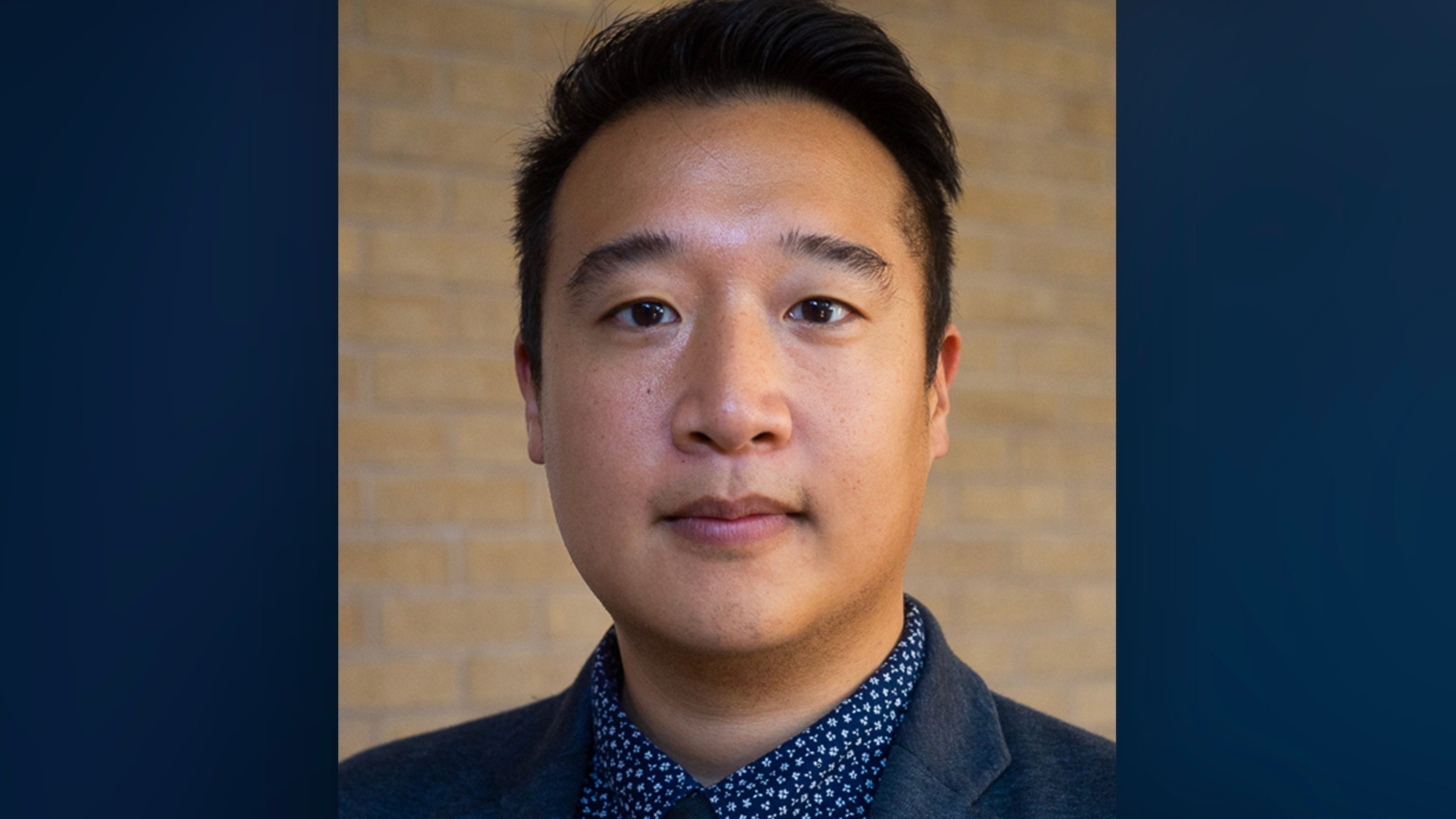
From the silver screen to Substack, Frank Shyong's journalism tells necessary stories for under represented voices
The former LA Times columnist shares the backstory behind Rosemead, the Lucy Liu movie based on his reporting, and how his work serves the Asian American communities he covers.
In 2024, independent journalist Frank Shyong decided to leave his post as the youngest and first Asian American Metro columnist at the Los Angeles Times, a role he held since 2019 when he was 31. His departure came at a time when, he says, “journalism about identity and race was seen as a backwater beat.”
But since his exit, Shyong has played up his strengths in reporting, spending this next chapter of his career insisting that stories rooted in Asian American and immigrant life across Southern California are not niche, but essential.
“[At the LA Times,] I quickly learned that I wasn’t always allowed to decide what was interesting and newsworthy about these communities. I, and most other reporters who were not white, were considered biased by default because we sometimes shared a broad demographic category with the people we wrote about,” Shyong wrote in Lunchbox, the Substack newsletter he founded shortly after his departure from the paper.
Learn from top longform journalists and find the best in-depth reporting. Subscribe to Depth Perception:
It’s this insistence on telling these stories with wholeness and nuance that would launch his career to a wider public: “Rosemead,” a feature-length film released in Jan. 2025, was adopted from his 2017 LA Timesreporting on the real-life case of Lai Hang, a terminally ill mother who fatally shot her teenage son, George, fearing his untreated schizophrenia would lead him to commit a mass shooting. Starring and produced by Lucy Liu, both the film and reported feature reframe the family tragedy as one done under the banner of shame, stigma, and the crushing pressure faced by Asian American families navigating mental illness — concerns Shyong himself had documented long before Hollywood came calling.
Going independent, with all its unglamorous lessons in marketing, intellectual property, and survival, has become one of Shyong’s ways of arguing that this kind of journalism greatly matters to a readership slowly losing faith in mainline news coverage, perhaps now more than ever. In this edition of Depth Perception, Shyong takes us inside the careful reporting that became a film, the responsibility a journalist has to one’s sources, and what it means to do right by a beat when institutions and audiences are still catching up. — Kelly Kimball
How did you first come across the story of Lai Hang and George?
I was a beat reporter for the San Gabriel Valley for the LA Times. That meant covering about eight out of the 10 majority-Asian communities. There was a very significant Chinese American population, and there are a lot of stories there involving a particular stigma toward mental health care that causes a lot of hidden pain in the community. These are cities where violent crime and gangs have largely been reduced. There was a huge Asian gang enforcement operation in the 1990s that took out a lot of leadership. So in these majority-Asian, majority-immigrant communities, murders are not common. And when they do happen, they often involve really shocking family violence.
This story was just one [that occurred in the San Gabriel Valley.] I went to the courthouse and pulled the file about eight or nine months after [the son’s death] happened. I realized there were a lot of details suggesting a richer story, that this was more than a murder. It involved issues about Asian American families, stigma around trauma, misfortune, and mental health — stories I wanted to tell.
How were you able to harness so much human detail despite the fact it was centered on characters who had already passed?
There were details that hadn’t come out in breaking news: The fact that she was dying, the timing of her decision to kill her son, it made me want to ask more. Through the court files, I located this woman, Ping, who worked at an herbal store. I went to the store and tried to talk to her, explaining what kind of story I wanted to tell. She was the only one who really knew what was going on in the family’s last days. Other relatives weren’t inside the situation. [Ping] carried this secret: that this woman wasn’t just a murderer, but someone trying to be a mother in the best way she knew. Lai Hang was incredibly afraid her son might become a mass shooter. There were details that she was being hurt at home by her son.
I had long conversations with Ping. We met at a McDonald’s in Santa Rosa and talked for hours. To tell this story, I had to explain not just what I wanted to say, but why. Why tell Asian American stories? What does “Asian American” mean to her and to me?
“I can see my aunties in all of these women; I can see my father in all of these men. And so I feel a greater responsibility towards them than the newspaper would typically allow.” — Frank Shyong
And I think from her immigrant perspective, and from my Asian American perspective, we could both observe the same problem occurring, which is that we think that it’s mercy to allow people to suffer in silence, you know, and we think that suffering and trauma should be endured alone. … This was no great feat of reporting ingenuity. I was just talking to people and asking them, “This is what I think the story is — do you agree? And if so, will you help me tell it?”
Being someone who is Taiwanese American reporting on … various different Asian American immigrant communities, I can see my aunties in all of these women; I can see my father in all of these men. And so I feel a greater responsibility towards them than the newspaper would typically allow. I think if you’re reporting on immigrant communities, you have to understand that they don’t have the context of publicly telling stories like this. They don’t have the context of what it feels like to have your story told in the newspaper. You have to explain [it to] them. You have to say, “Hey, when this story comes out, these are the ways that people might react. This is how your life might be affected.” And a lot of times we really just stay away from those topics because we don’t have control over them … But for me, I just felt it’s far more important to kind of have these conversations up front.
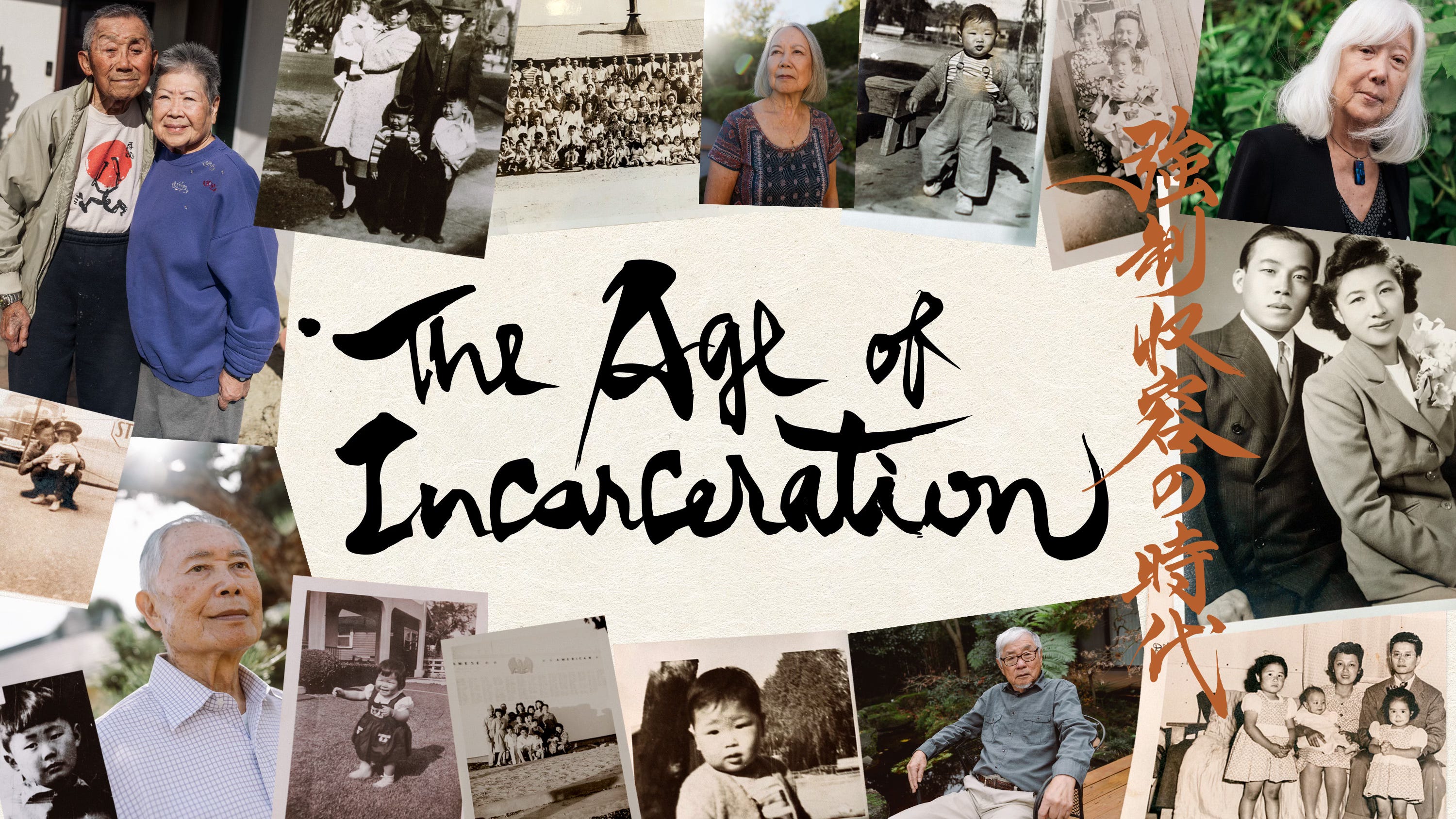
A now-and-then look at people of Japanese descent who were detained in the United States during World War II. Colorphotos by Morgan Lieberman, black-and-white snapshots courtesy of the survivors.
In 1942, under the shadow of World War II, the U.S. government invoked the Alien Enemies Act to justify the forced removal and incarceration of more than 125,000 people of Japanese descent — most of whom were American citizens. The orders from White House uprooted and split families, causing them to abandon their homes, businesses, and communities.
In The Age of Incarceration, an Anthem Award-winning Long Lead feature, photojournalist Morgan Lieberman captures the testimony and experiences of nine of the last survivors of Japanese American incarceration, 80 years after the war ended and these people were released. Reflecting on their experience of a childhood spent in detention, this series of portraits and interviews shares stories not just of injustice, but of resilience, documenting what they endured, what they’ve carried with them the rest of their lives, and what about America’s past their country still hasn’t reckoned with.
What did the adaptation process into a film look like from your perspective?
[The film producers] approached me and we talked on and off for four or five years. During that time, LA Times leadership and IP [intellectual property] policies changed. The paper began asserting ownership over reporters’ IP, especially under Patrick Soon-Shiong with the creation of LA Times Studios, which is sort of like a content arm that he primarily controls.
The filmmakers kept saying, “We want to do it right. We think this is a really, hugely important story to get right.” I pretty much was available to people during the production through phone calls, and I gave feedback on earlier parts of the scripts. I helped connect people to the right experts. And, obviously, [film producer] Mynette Louie did a ton of their own research as well.
Were there moments where you felt protective of the story?
I obviously was incredibly protective of the story. I stayed in touch with [Ping] the entire time and tried to keep her informed and empowered. [Everything in the industry changed throughout] the eight years it took to make this film. This film feels like a unicorn, and it might never happen again, because indie film financing is incredibly difficult. The industry gravitates toward very expensive or very cheap films. … Another part of the learning process was seeing how any film that’s not a Marvel movie has to have a ton of support behind it, and everyone has to pay for it; everyone has to try to make it happen and be very passionate [about it].
“To tell this story, I had to explain not just what I wanted to say, but why. Why tell Asian American stories? What does ‘Asian American’ mean?” —Frank Shyong
You began as the LA Times’ youngest columnist and its first Asian American Metro columnist. You have a lot more experience now. How do you think about doing right by stories now versus then?
At the paper, I was an insurgent inside an institution. Now, as an independent, it’s about creating a product. I can’t brand myself as doing the same work I did as a columnist, because that was about using a [widely-read] platform; [my independent career] is about developing a content niche that people might actually enjoy reading. I’m still a journalist, but I can’t put the city of Los Angeles on my back anymore.
Typically … people don’t want to have to pay for [traditional journalism]. So that type of work, the more traditional journalism, I put that outside the paywall. Stuff that’s personal or opinionated, or an intellectual property bid… like recommendations or guides, [are within the paywall].
Guides is something that I’ve been trying to get into and there’s a lot of potential to smuggle journalism into that format. … [Products like] Lunchbox Atlas, and a column in the form of The Letter [are also] outside the paywall. I’ve experimented with that a lot. Sometimes it’s like a grab bag of things. Sometimes it’s more about traffic, [especially since] your work is on the market.